Artists
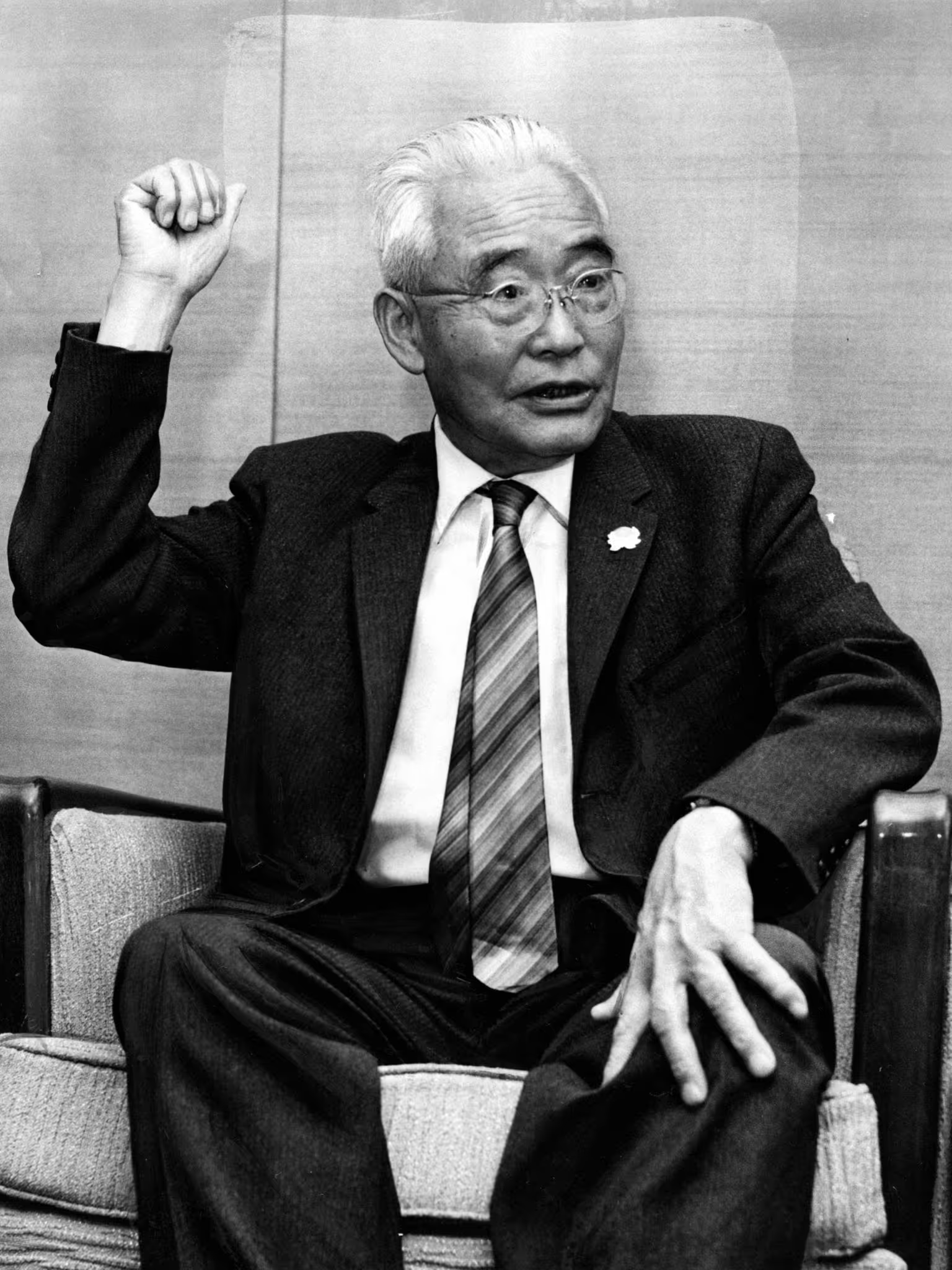
Chiura Obata
Okayama, Japan, 1885-1975
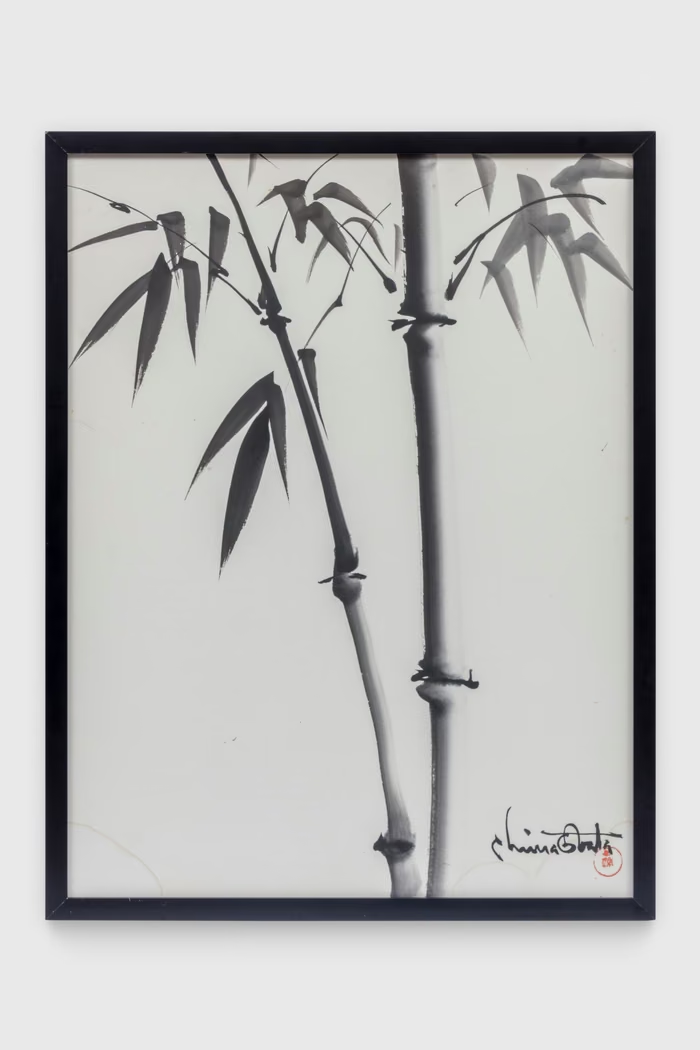
Chiura Obata was one of the most important Japanese American artists of the 20th century and a central figure in the Northern California art scene. Trained in sumi ink painting in Tokyo, he immigrated to San Francisco in 1903 and developed a distinctive style that fused Japanese brushwork with Western naturalism. Obata is best known for his majestic depictions of the American West, particularly Yosemite and the High Sierra, which he called “Great Nature.” These works, executed in watercolor, ink, and later as woodblock prints, combine calligraphic precision with luminous washes of color to evoke the sublime power of the landscape.
In 1932 Obata joined the faculty of the University of California, Berkeley, where he taught until 1954, becoming an influential educator for generations of artists. During World War II, he and his family were incarcerated at the Topaz War Relocation Center in Utah, where he founded and directed an art school that served over 600 students. Despite these hardships, he remained devoted to the belief that art could offer healing, dignity, and resilience.
Obata’s legacy includes a prodigious body of work—spanning sumi paintings, watercolors, and prints—that resists simple categorizations of East and West. His art, rooted in Zen philosophy and close observation of nature, reflects both his immigrant experience and his enduring faith in the power of creativity. Today, his works are celebrated in major collections and exhibitions across the United States and Japan.