Artists
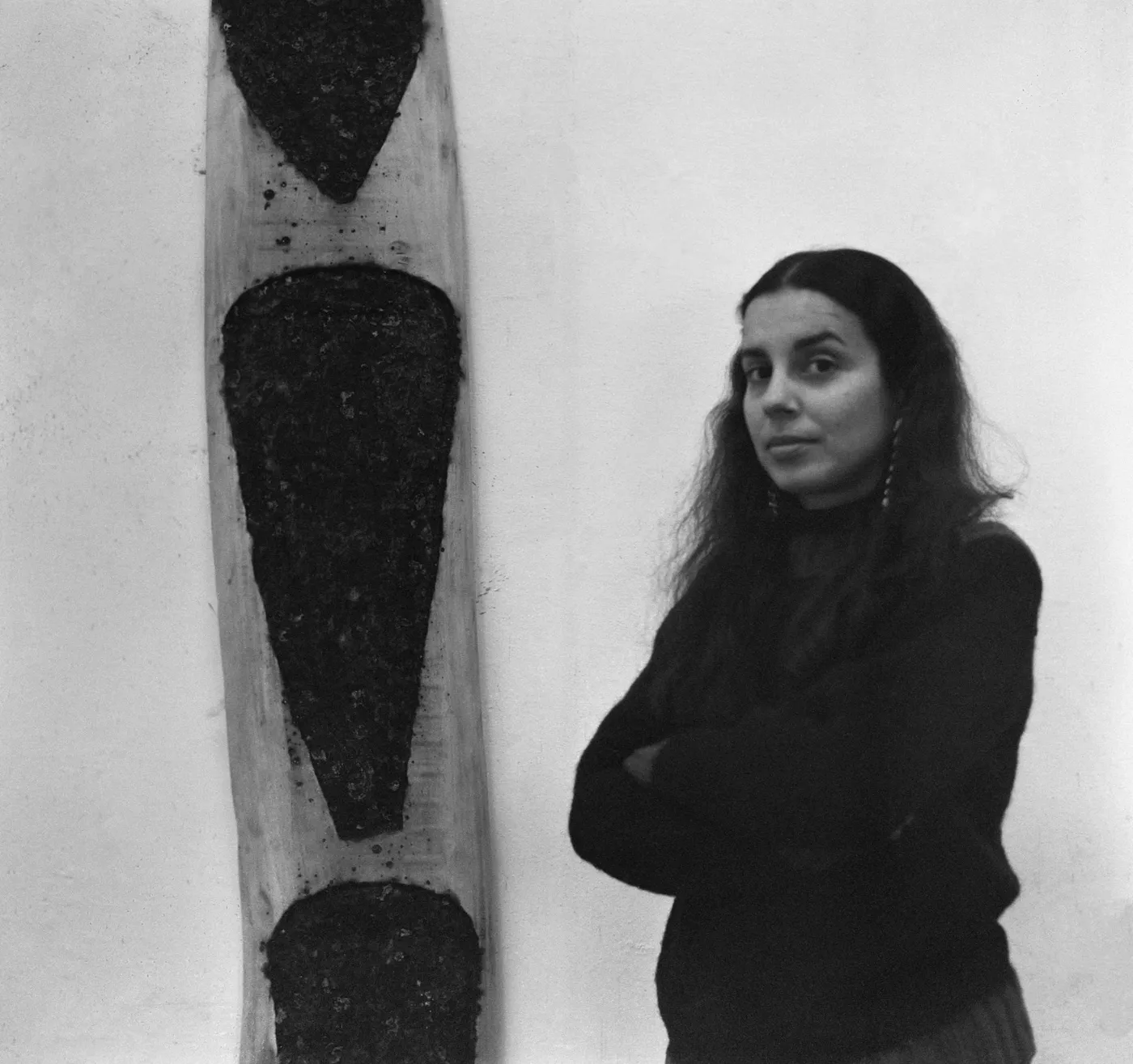
Ana Mendieta
Havana, Cuba, 1948–1985
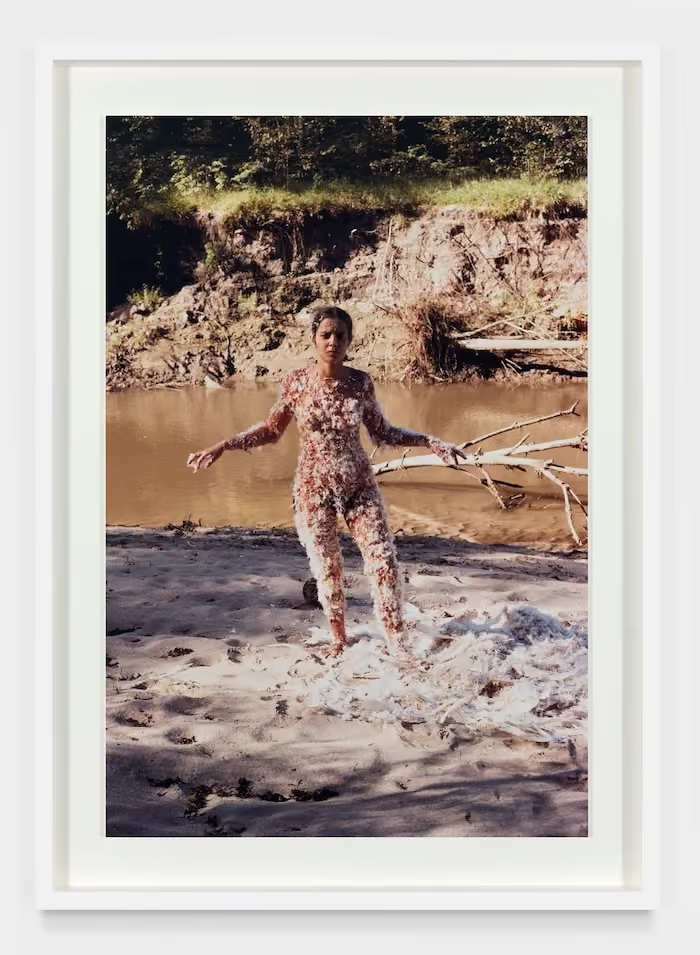
Ana Mendieta was born in Havana, Cuba, in 1948, and sent to the United States as a young teenager after Fidel Castro came to power. A multidisciplinary artist working across painting, photography, film, sculpture, and site-specific installation, Mendieta drew on the elements of nature, earth, water, fire, and flora, in a practice that disrupted societal conventions and embraced the extremities of the natural world.
As a student in the Intermedia MFA program at the University of Iowa beginning in 1972, Mendieta began working with her own body and Super 8 film, using performance to confront her audience with acts of violence rather than let them remain passive observers. A 1971 trip to Mexico instilled a desire to connect body and landscape, a theme that culminated in her Siluetas ("Silhouettes"), a series of more than two hundred earthworks in which she imprinted her own form into the land, often in a manner evoking burial and ruin. In 1980, on her first return to Cuba since her exile, Mendieta carved her Esculturas Rupestres ("Rupestrian Sculptures") directly into the limestone caves of Jaruco Park, drawing on Taíno and pre-colonial forms in an act of reconnection with her ancestral home. Mendieta died in New York City in 1985.
Mendieta's honors included two National Endowment for the Arts grants, a Guggenheim Fellowship, and the Rome Prize at the American Academy in Rome (1983). Her work has been the subject of more than fifty solo exhibitions and sixteen museum retrospectives, including at the New Museum (1987), the Whitney Museum of American Art and Hirshhorn Museum and Sculpture Garden (2004), and the Hayward Gallery, London (2013); in July 2026, Tate Modern opened the UK's first major Mendieta retrospective in over a decade. Her work is held in the permanent collections of the Museum of Modern Art, the Whitney Museum of American Art, the Solomon R. Guggenheim Museum, the Tate, and the Centre Georges Pompidou, among many others.